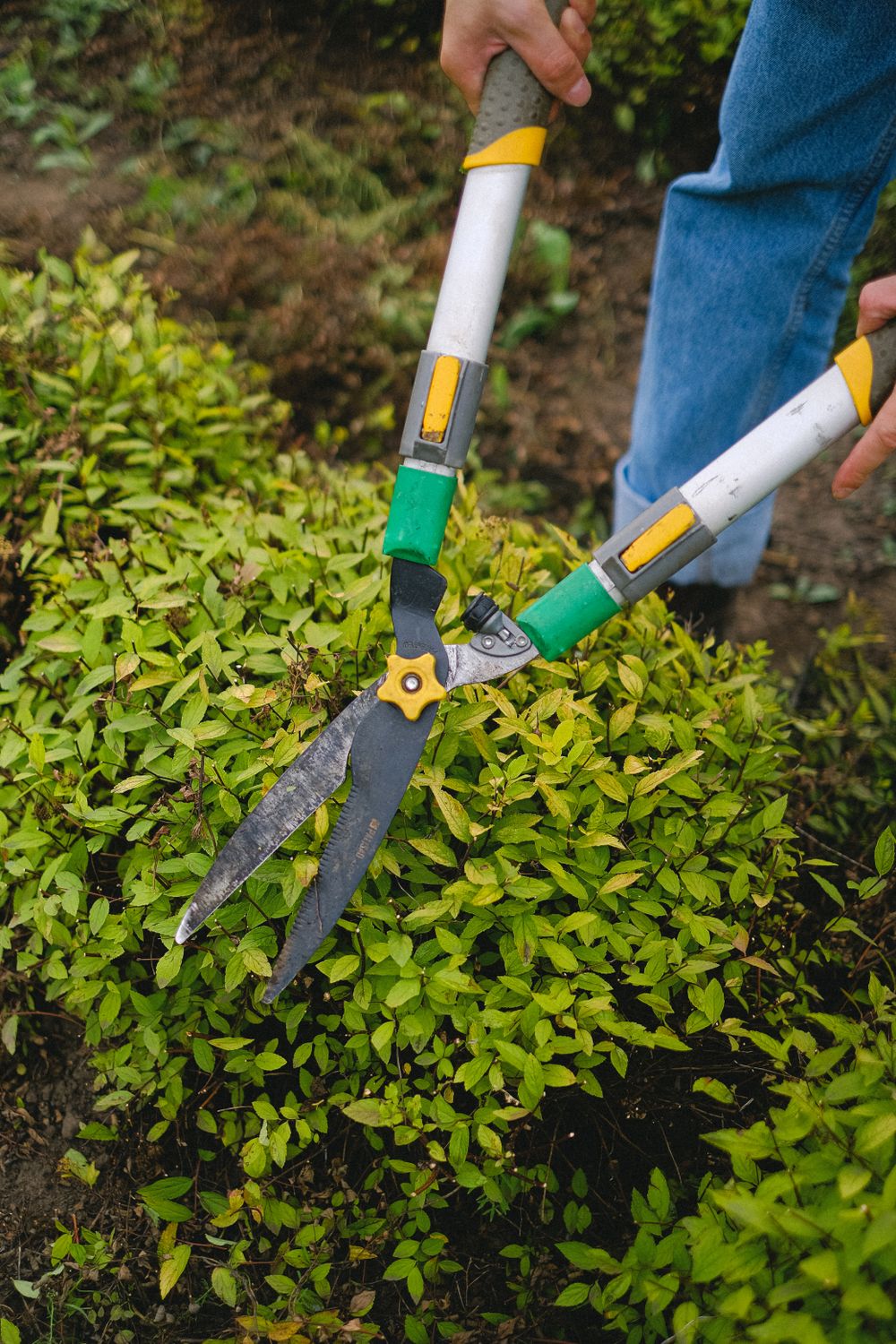
Pruning is timing plus technique
Cut a spring bloomer in March and you cut off the flowers. Cut a rose wrong and it sulks for a season. Our horticulturists know what blooms on old wood, what fruits on new growth, and how hard each species can be cut back.
We use sterilized bypass tools, make clean angled cuts, and never top trees or shear everything into meatballs.
Every pruning visit covers
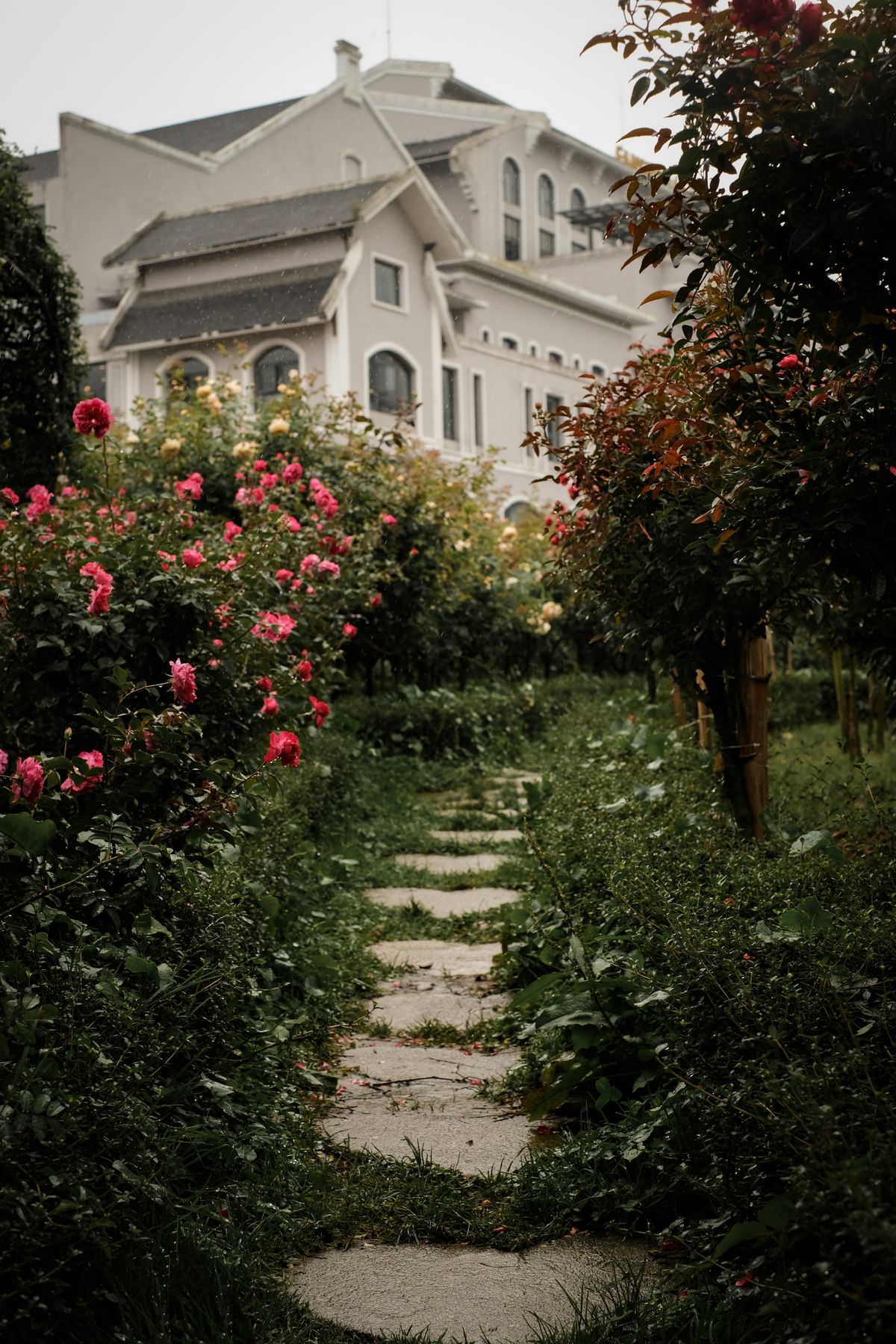
- Roses: winter shaping plus summer deadheading
- Hedges levelled, tapered and thickened from the base
- Fruit trees thinned for light, air and bigger harvests
- Ornamental shrubs rejuvenated, not stubbed
- Dead, crossing and diseased wood removed
- All green waste hauled away and composted
A calendar your plants can count on
Late winter for roses and fruit trees, just-after-bloom for lilacs and rhododendrons, midsummer shaping for hedges. Join a pruning plan and we show up in the right window every year without you having to remember.
One visit usually transforms an overgrown yard — most clients book a big restorative prune, then light annual maintenance.
Pruning FAQs
When is the best time to prune?
It depends on the plant: roses and fruit trees in late winter, spring bloomers right after flowering, hedges in early summer. Tell us what you grow and we will schedule the right window.
Will pruning hurt my plants or blooms?
Correct pruning stimulates growth and flowering. We never remove more than a third of a healthy plant in one season, and we pause any job that would cost you this year's blooms.
How often should hedges be cut?
Fast growers like laurel need two cuts a year; yew and box do fine with one. Our plans bundle the right frequency so hedges stay dense without going wild between visits.
Do you take the branches away?
Always. We chip and compost green waste off-site and leave beds raked clean — or stack usable firewood rounds for you on request.
Book this season's prune
Slots fill fast in late winter and early summer — reserve yours with a free estimate.
Request a Quote